monterey horticultural oil instructions
Monterey Horticultural Oil Instructions: A Comprehensive Guide
Monterey Horticultural Oil is a versatile solution for organic gardening, functioning as a fungicide, insecticide, and miticide, readily available for purchase and application.
This guide provides detailed instructions for effective use, covering everything from pest control to safe application techniques, ensuring healthy plant growth.
What is Monterey Horticultural Oil?
Monterey Horticultural Oil is a highly refined petroleum-based product, specifically designed for horticultural use. It’s a dormant and growing season oil, offering broad-spectrum control against a variety of pests and diseases affecting plants.
Unlike harsh chemical pesticides, Monterey Horticultural Oil is considered a low-impact solution, often favored in organic gardening practices. It works by suffocating insects and their eggs, disrupting their life cycle. This oil concentrate, available in quart sizes, requires dilution before application using a sprayer.
It’s a popular choice for controlling pests on fruit trees, vegetable crops, and ornamental plants, providing a protective barrier against infestations and promoting overall plant health.
Understanding the Active Ingredient: Mineral Oil
The core of Monterey Horticultural Oil is highly refined mineral oil. This isn’t the same as the motor oil found in vehicles; horticultural oil undergoes extensive processing to remove harmful components, ensuring plant safety.
Mineral oil functions as a physical suffocant. It coats insects, their eggs, and certain fungal spores, blocking their breathing pores and disrupting their development. This mode of action minimizes the risk of pests developing resistance, unlike some synthetic pesticides.
The oil’s purity is crucial; refined mineral oil minimizes phytotoxicity – potential leaf burn – when applied correctly. It’s a naturally occurring substance, making it a preferred choice for gardeners seeking environmentally conscious pest and disease management solutions.
Target Pests & Diseases
Monterey Horticultural Oil effectively combats a wide spectrum of garden pests and diseases. It’s a powerful tool against common infestations impacting fruit trees, vegetables, and ornamentals.
This oil disrupts the life cycle of numerous insects, offering control over aphids, mites, scale, whiteflies, and mealybugs. It also targets the overwintering stages of specific fungal diseases, reducing their impact in the growing season.
By eliminating these threats, horticultural oil promotes healthier plant growth and increased yields. Regular application, timed correctly, can prevent significant damage and maintain a thriving garden ecosystem. It’s a preventative and curative solution for many common garden problems.
Insects Controlled
Monterey Horticultural Oil provides excellent control against a diverse range of troublesome garden insects. Aphids, notorious for their sap-sucking habits, are effectively smothered by the oil, halting their reproduction and damage.
Scale insects, which appear as protective bumps on stems and leaves, are also vulnerable. The oil penetrates their shells, disrupting their life cycle. Similarly, mites, including spider mites, are controlled, preventing leaf stippling and webbing.
Other insects targeted include whiteflies, mealybugs, leafhoppers, and certain types of insect eggs. This broad-spectrum control makes it a valuable asset for maintaining healthy, pest-free plants throughout the garden.
Diseases Controlled (Overwintering Stages)
Monterey Horticultural Oil isn’t just for insects; it’s also effective against certain plant diseases, specifically targeting the overwintering stages of fungal pathogens. By suffocating these dormant stages, it reduces disease pressure in the following growing season.
It helps control diseases like peach twig borer, oyster shell scale, and San Jose scale by disrupting their life cycle during the dormant period. This preventative approach minimizes the need for harsher treatments later on.
The oil effectively manages diseases such as rust, leaf spot, and powdery mildew by eliminating the fungal spores hiding on plant surfaces. Applying during dormancy is crucial for optimal disease control;
Application Timing: Dormant vs. Growing Season
Monterey Horticultural Oil application timing significantly impacts its effectiveness. Dormant oil applications, made when plants are leafless, are ideal for controlling overwintering pests and diseases. This timing allows thorough coverage without risking phytotoxicity to foliage.
Growing season applications are possible, but require careful consideration. Avoid spraying during active bloom to protect pollinators. Lower concentrations are necessary during warmer weather to prevent leaf burn.
Understanding the plant’s growth stage and environmental conditions is key. Dormant applications offer broader spectrum control, while growing season applications target active infestations.
Dormant Oil Application – When & Why
Dormant oil application is best timed during the late winter or early spring, before bud break. This is when plants are truly dormant – leafless and seemingly inactive. The primary goal is to smother overwintering insect eggs and dormant scale insects clinging to branches.
Applying oil at this stage prevents pests from hatching and infesting the plant during the growing season. It’s a proactive measure, minimizing future problems. Ensure temperatures are above freezing for at least 24 hours following application for optimal effectiveness.
This timing avoids potential harm to beneficial insects and new foliage.
Growing Season Application – Considerations
Growing season applications of Monterey Horticultural Oil require careful consideration. Avoid spraying during the hottest part of the day or when temperatures exceed 90°F to prevent leaf burn (phytotoxicity). Early morning or late evening applications are ideal.
Ensure plants are well-hydrated before application, as stressed plants are more susceptible to damage. Do not apply directly to blooms, as it can harm pollinators. Focus on thoroughly covering all plant surfaces, including undersides of leaves where pests often hide.
Repeat applications may be necessary, following label instructions, to control persistent infestations.
Mixing Instructions: Dilution Rates
Proper dilution is crucial for Monterey Horticultural Oil’s effectiveness and plant safety. Always refer to the product label for the most accurate instructions, as rates can vary slightly. Generally, a common dilution rate is 1 to 2% – meaning 1 to 2 ounces of oil per gallon of water.
Use a calibrated measuring device for precise mixing. Add the oil to the water, stirring continuously to create a stable emulsion. Avoid using hard water, as it can affect the emulsion’s stability. Always mix only what you need for immediate use; do not store diluted mixtures.
Thorough mixing ensures even distribution and optimal pest control.
For Dormant Applications
Dormant oil applications target pests overwintering on trees and shrubs. Typically, this occurs late winter or early spring, before bud break. A higher concentration is generally used during dormancy, often around 2% (2 ounces per gallon of water), to penetrate and suffocate overwintering eggs and scales.
Ensure temperatures are above freezing for at least 24 hours following application. Avoid applying if heavy rain is forecast, as it can wash away the oil. Dormant applications are vital for reducing pest populations before they become established in the growing season, promoting healthier plants.
Complete coverage is essential for maximum effectiveness.
For Growing Season Applications
Growing season applications require a lower concentration than dormant sprays, typically around 1% (1 ounce per gallon of water), to minimize phytotoxicity – potential leaf burn. Apply when pests are actively present, but avoid application during bloom to protect pollinators.
Temperatures should be between 70°F and 85°F for optimal efficacy. Avoid spraying during the hottest part of the day or when plants are stressed from drought. Repeat applications may be necessary every 7-14 days, depending on pest pressure and product label instructions.
Careful monitoring of plants is crucial during growing season use.
Using a Sprayer – Calibration & Settings
Accurate sprayer calibration is vital for effective Monterey Horticultural Oil application; Begin by measuring the output of your sprayer over a set time period – for example, one minute. Calculate the gallons per minute (GPM) or quarts per minute (QPM).
Adjust the nozzle and pressure to achieve the desired application rate, ensuring thorough coverage without excessive runoff. For handheld and garden sprayers, a fan nozzle is generally recommended. Hose-end sprayers often have adjustable dilution settings; verify accuracy.
Always test the sprayer with plain water before mixing oil to confirm proper function and calibration.
Application Methods
Monterey Horticultural Oil can be applied using several methods, each suited to different garden sizes and needs; Handheld sprayers are ideal for small areas and individual plants, offering precise control. Garden sprayers, with larger tanks, are efficient for treating multiple plants or larger sections of a garden.
Hose-end sprayers provide convenience for extensive coverage, automatically mixing and dispensing the oil. Regardless of the method, ensure complete coverage of all plant surfaces, including undersides of leaves where pests often reside. Consistent application is key for optimal results.
Follow dilution instructions carefully for each sprayer type.
Handheld Sprayers
Handheld sprayers are perfect for targeted applications on smaller gardens or individual plants affected by pests. These sprayers offer excellent control, allowing you to directly coat infested areas. When using a handheld sprayer, ensure the oil is thoroughly mixed according to the dilution rates.
Apply the solution slowly and deliberately, covering all plant surfaces – especially the undersides of leaves where many pests hide. Frequent, smaller applications are often more effective than a single, heavy spray. Regularly check the sprayer nozzle for clogs and maintain consistent pressure for even distribution.
Garden Sprayers
Garden sprayers, typically with a larger tank capacity, are ideal for treating multiple plants or larger areas efficiently. These sprayers often have adjustable nozzles, allowing you to switch between a stream and a fan spray for varied coverage. Proper mixing of Monterey Horticultural Oil is crucial; follow dilution guidelines carefully.
Maintain a consistent walking speed and nozzle height to ensure uniform application across all plants. Regularly inspect the sprayer for leaks or blockages. Garden sprayers are particularly useful for dormant oil applications on fruit trees, providing thorough coverage before bud break.

Hose-End Sprayers
Hose-end sprayers offer a convenient method for applying Monterey Horticultural Oil, particularly for larger gardens or extensive plant coverage. These sprayers attach directly to a garden hose, creating a vacuum that draws the oil concentrate and mixes it with water.
Accurate dilution is paramount; carefully follow the instructions on the Monterey Horticultural Oil label to ensure the correct ratio. Begin by filling the reservoir with the specified amount of oil, then attach the sprayer to the hose and turn on the water. Regularly check for consistent spray output and even coverage.
Safety Precautions
Prioritizing safety is crucial when using Monterey Horticultural Oil. Always read and carefully follow all label instructions before application. Personal Protective Equipment (PPE), including gloves, eye protection (goggles or a face shield), and a mask, are essential to prevent skin and respiratory irritation.
Avoid application in windy conditions to prevent drift onto non-target plants, pets, or people. Be mindful of environmental considerations; do not apply near water sources or storm drains. Store the concentrate in a secure location, out of reach of children and animals. Wash thoroughly after handling and disposing of any leftover spray solution responsibly.
Personal Protective Equipment (PPE)
Essential PPE is vital when handling Monterey Horticultural Oil to minimize exposure. Always wear chemical-resistant gloves, such as nitrile or neoprene, to protect your skin from direct contact. Eye protection, including safety goggles or a face shield, is crucial to prevent irritation or injury.
A respirator or mask is recommended, especially during spraying, to avoid inhaling oil droplets. Long sleeves, long pants, and closed-toe shoes further reduce skin exposure. Ensure all PPE is in good condition and fits properly. After application, remove contaminated clothing and wash it separately before reuse. Thoroughly wash hands and any exposed skin with soap and water.
Environmental Considerations
Monterey Horticultural Oil, while generally considered safe, requires mindful environmental practices. Avoid application when wind speeds are high to prevent drift onto non-target plants or water sources. Protect aquatic life by preventing runoff into streams, ponds, or drainage systems.
Do not apply directly to water. Be cautious around beneficial insects like bees; avoid spraying during their foraging times. Consider the impact on pollinators and apply in the early morning or late evening when they are less active. Proper disposal of leftover oil and containers is essential – follow local regulations for hazardous waste.
Plants Monterey Horticultural Oil Can Be Used On
Monterey Horticultural Oil demonstrates broad compatibility across various plant types. It’s effective on Fruit Trees like apples, peaches, and cherries, controlling overwintering pests and promoting healthy growth. For Vegetable Crops, it safeguards plants such as broccoli, cabbage, and tomatoes from damaging insects.

Ornamental Plants, including roses, shrubs, and flowers, also benefit from its protective qualities. Always check plant labels for specific sensitivity before application, performing a small test area first. Avoid using on plants experiencing stress from drought or extreme temperatures. This oil is a versatile tool for maintaining a thriving garden.
Fruit Trees
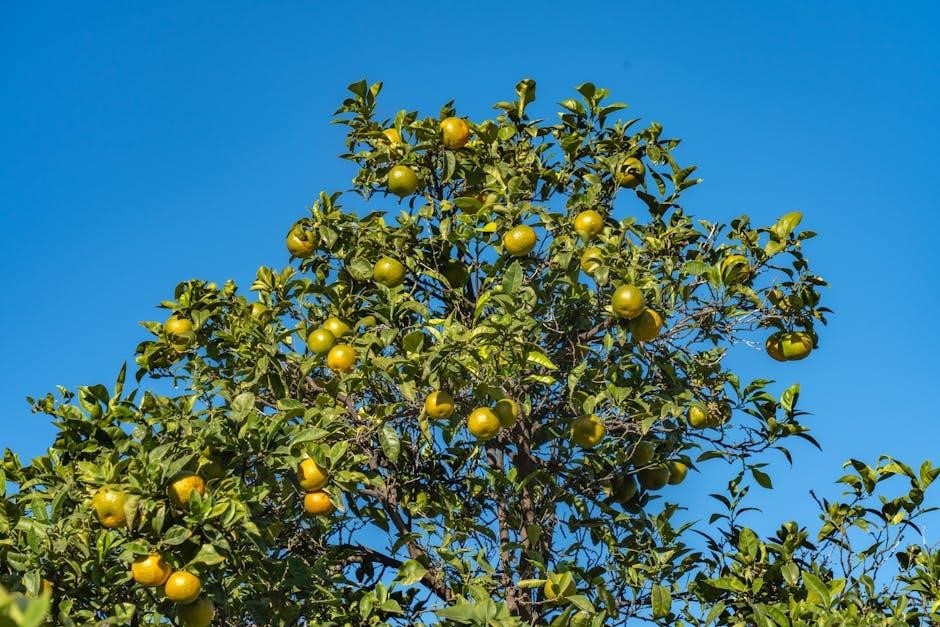
Monterey Horticultural Oil is exceptionally beneficial for Fruit Trees, protecting them from a range of pests and diseases. It effectively controls scale insects, aphids, mites, and overwintering eggs on apple, peach, pear, plum, and cherry trees. Dormant oil applications are crucial for eliminating these pests before they can cause damage in the spring.
During the growing season, use with caution, avoiding application during bloom to protect pollinators. Proper timing and dilution are key to preventing phytotoxicity. Regularly treating fruit trees with this oil promotes vigorous growth and abundant harvests, ensuring healthy and productive orchards.

Vegetable Crops
Monterey Horticultural Oil provides effective pest and disease control for a wide variety of Vegetable Crops. It’s useful against aphids, whiteflies, spider mites, and other common garden pests that can damage plants like tomatoes, peppers, cucumbers, and squash. Applying during the dormant season can eliminate overwintering pest eggs, reducing infestations in spring.
During the growing season, careful application is essential, avoiding direct sunlight and high temperatures to prevent leaf burn. Always follow dilution instructions precisely. Regular use supports healthy vegetable growth, leading to increased yields and a bountiful harvest of fresh, homegrown produce.
Ornamental Plants

Monterey Horticultural Oil is a valuable tool for maintaining the health and beauty of Ornamental Plants. It effectively controls pests like scale, mealybugs, and spider mites that commonly infest roses, shrubs, and flowering trees. Dormant oil applications are particularly beneficial, eliminating overwintering pests before they can cause damage in spring.
During the growing season, use with caution, avoiding application during hot weather or direct sunlight to prevent phytotoxicity. Proper dilution is crucial for safe and effective control. Regular applications help keep ornamental plants vibrant, pest-free, and aesthetically pleasing throughout the gardening season, enhancing your landscape.
Potential Issues & Troubleshooting
Monterey Horticultural Oil is generally safe, but issues can arise. Phytotoxicity (Leaf Burn) occurs when applied incorrectly – avoid use during hot weather or on stressed plants. Ensure proper dilution rates are followed meticulously. Oil Spots on Foliage can appear, especially on sensitive plants; these are usually temporary and don’t cause lasting harm.
If you notice leaf discoloration, immediately flush the plant with water. Always test on a small area first. Inconsistent spray coverage can lead to incomplete pest control, requiring reapplication. Addressing these potential problems proactively ensures optimal plant health and successful pest management.
Phytotoxicity (Leaf Burn) – Causes & Prevention
Phytotoxicity, or leaf burn, with Monterey Horticultural Oil happens when plants are sensitive to the oil, or conditions are unfavorable. Applying during hot weather (above 90°F) or to plants experiencing drought stress significantly increases risk. Newly leafed-out plants are also more susceptible.
Prevention involves careful timing – avoid application during heat waves. Ensure plants are well-hydrated before spraying. Always test on a small, inconspicuous area first and wait 24-48 hours to observe for any adverse reactions. Proper dilution, as per label instructions, is crucial. Avoid spraying in direct sunlight.
Oil Spots on Foliage
Oil spotting on foliage after applying Monterey Horticultural Oil is a common, though usually temporary, aesthetic issue. It occurs when the oil accumulates in the small depressions and ridges of leaves, creating a shiny or discolored appearance. This is more noticeable on plants with large, smooth leaves.
Generally, oil spots are harmless and will fade over time as the oil naturally breaks down and washes away with rain or watering. Prevention includes ensuring thorough coverage during application, avoiding excessive spraying, and applying when temperatures are moderate. Using the correct dilution rate is also key to minimizing spotting.