amana washer cycle guide

This guide provides a comprehensive overview of Amana washer cycles, settings, and features․ Understanding these options will help you optimize your laundry routine for effective cleaning and fabric care․ Always consult your washer’s use and care guide․

Understanding Amana Washer Cycles

Amana washers offer a variety of cycles designed to handle different types of fabrics and soil levels․ Each cycle utilizes specific wash actions, water temperatures, and spin speeds to achieve optimal cleaning results while protecting your clothes․ Choosing the right cycle is crucial for extending the life of your garments and ensuring they come out clean and fresh․

This section will explain the purpose of each cycle and how to select the appropriate one for your laundry needs․ Understanding the differences between cycles like Normal, Whites, and others will empower you to customize your wash settings for specific loads․ By carefully considering the fabric type, soil level, and desired level of agitation, you can maximize the performance of your Amana washer and achieve consistently excellent results․

Furthermore, we will delve into how default settings work for each wash cycle and what settings users can change depending on their laundry needs․ It is important to carefully select the cycle, options, and settings for the best fabric care․

Normal Wash Cycle Explained

The Normal wash cycle on your Amana washer is designed for everyday laundry items, such as cottons, linens, and durable synthetic blends․ This cycle provides a balance of cleaning power and fabric care, making it suitable for loads with average soil levels․ Typically, the normal wash cycle defaults to a medium water level, moderate agitation, and a standard spin speed․

When selecting the Normal cycle, you can further customize the wash process by adjusting the water temperature and soil level settings․ For instance, you might choose warm water for lightly soiled items or hot water for heavily soiled clothes․ The soil level setting allows you to adjust the wash time based on the amount of dirt or stains present in your laundry․

Understanding the capabilities of the Normal cycle empowers you to efficiently clean a wide range of everyday laundry items while minimizing wear and tear on your garments․ It is designed for performance, control and convenience․

Whites Wash Cycle Details

The Whites wash cycle on your Amana washer is specifically designed to maximize the cleaning and brightening of white fabrics․ This cycle typically utilizes hotter water temperatures and longer wash times compared to the Normal cycle․ The increased heat helps to lift stains and whiten fabrics, while the extended wash time ensures thorough cleaning․

For best results when using the Whites cycle, it is recommended to use a detergent specifically formulated for white fabrics․ These detergents often contain optical brighteners that enhance the whiteness of your clothes․ It’s also advisable to avoid overloading the washer, as this can hinder the cleaning process․ Allowing ample space for the clothes to move freely ensures that each item receives adequate exposure to the hot water and detergent․

The Whites cycle is ideal for items like white t-shirts, socks, bed linens, and towels․ However, it’s crucial to check the care labels of your garments before using this cycle, as some fabrics may not be suitable for hot water washing․ Always follow the instructions in the use and care guide․

Water Temperature Settings (Cold, Warm, Hot)

Amana washers offer a range of water temperature settings – cold, warm, and hot – to accommodate various fabric types and cleaning needs․ Selecting the appropriate water temperature is crucial for effective stain removal and preventing damage to your clothes․

Cold water is ideal for delicate fabrics, bright colors, and lightly soiled items․ It helps prevent fading, shrinking, and bleeding of dyes․ Cold water washing is also energy-efficient, saving on water heating costs․

Warm water provides a balance between cleaning power and fabric protection․ It’s suitable for moderately soiled clothes and everyday items․ Warm water effectively removes stains while minimizing the risk of damage to sensitive fabrics․

Hot water is best for heavily soiled items, whites, and fabrics that require thorough sanitization․ Hot water effectively removes stubborn stains and kills bacteria․ However, it’s important to note that hot water can cause some fabrics to shrink or fade, so always check the care label before selecting this option․

Choosing the right water temperature is essential for preserving the quality and longevity of your garments․

Fabric Select Knob and Soil Level Settings

The Fabric Select knob on your Amana washer allows you to customize the wash cycle based on the type of fabric you’re washing, ensuring optimal care and cleaning․ This feature, paired with soil level settings, provides a tailored laundry experience․

The Fabric Select knob typically offers options like “Delicates,” “Normal,” “Permanent Press,” and “Heavy Duty․” “Delicates” is designed for delicate fabrics requiring gentle handling․ “Normal” is suitable for everyday items․ “Permanent Press” helps prevent wrinkles in synthetic fabrics․ “Heavy Duty” is for durable, heavily soiled items․

Soil level settings, often indicated as “Light,” “Medium,” and “Heavy,” adjust the wash time and agitation intensity․ Selecting the appropriate soil level ensures effective cleaning without over-washing, which can damage fabrics․

For lightly soiled items, choose “Light” to minimize wash time and energy consumption․ “Medium” is suitable for most loads with average soil․ “Heavy” is reserved for heavily soiled items requiring more intensive cleaning․

By carefully selecting the fabric type and soil level, you can optimize your Amana washer’s performance and extend the life of your clothes․

Deep Water Wash Setting Functionality

The Deep Water Wash setting on your Amana washer provides an increased water level during the wash cycle, ensuring thorough saturation and cleaning of heavily soiled loads․ This feature is particularly useful when washing bulky items or loads with stubborn stains․

When selected, the Deep Water Wash setting overrides the auto-sensing water level feature, filling the wash tub with more water than a standard cycle․ This increased water volume allows for better movement of clothes, improved detergent distribution, and more effective soil removal․

To use the Deep Water Wash setting, simply select your desired wash cycle (e․g․, Normal, Heavy Duty) and then activate the Deep Water Wash option․ The washer will then fill to a higher water level than it normally would for that cycle․

It’s important to note that using the Deep Water Wash setting will increase water consumption․ Therefore, it’s best to reserve this feature for loads that truly require the extra water for optimal cleaning․

Consider using the Deep Water Wash setting for items like bedding, towels, work clothes, or any load with significant dirt or grime․

Auto Sensing Water Level Feature

The Auto Sensing Water Level feature in Amana washers is designed to optimize water usage by automatically adjusting the water level based on the size of the load․ This helps to conserve water and energy while still providing effective cleaning․

When the Auto Sensing Water Level is selected, the washer will initially fill with a small amount of water․ The machine will then detect the size and absorbency of the load, adding more water as needed until the clothes are properly saturated and can move freely during the wash cycle․ The water level should ensure the load engages the agitator․

This feature eliminates the guesswork of manually selecting the water level, ensuring that you’re not using more water than necessary․ It is particularly useful for mixed loads or when you’re unsure of the ideal water level for a particular type of fabric․

To use the Auto Sensing Water Level feature, simply select the “Auto Sensing” option on the water level knob․ The washer will then automatically determine the appropriate water level for your load․

For optimal performance with the Auto Sensing feature, avoid overloading the washer․ Overloading can prevent the machine from accurately sensing the load size, potentially leading to insufficient water levels․

Extra Rinse Option

The Extra Rinse option on your Amana washer provides an additional rinse cycle at the end of the wash, ensuring a more thorough removal of detergent residue and soils from your clothes․ This is especially beneficial for individuals with sensitive skin or allergies, as it minimizes potential irritation caused by lingering detergent․

Activating the Extra Rinse feature is simple․ Look for the “Extra Rinse” button or setting on your washer’s control panel and select it before starting the wash cycle․ The washer will automatically add an extra rinse phase after the main wash and initial rinse are complete․

The Extra Rinse option is also recommended for heavily soiled items or when using a large amount of detergent․ It can help to remove stubborn stains and prevent detergent buildup, leading to cleaner, fresher-smelling clothes․

While the Extra Rinse option provides a more thorough cleaning, it’s essential to consider the impact on water and energy consumption․ Adding an extra rinse will naturally increase the amount of water used per load․ Therefore, it’s advisable to use this feature only when necessary․

Consider using the Extra Rinse option for baby clothes, delicate fabrics, or items that come into direct contact with sensitive skin․ Doing so can help to ensure that these items are thoroughly rinsed and free from potential irritants․

Extra Spin Option

The Extra Spin option on your Amana washer provides an extended spin cycle at the end of the wash, maximizing water extraction from your clothes․ This feature significantly reduces drying time, saving you energy and time, especially when dealing with bulky items or heavy fabrics․

To activate the Extra Spin function, locate the corresponding button or setting on your washer’s control panel․ Selecting it before initiating the wash cycle will instruct the washer to perform an additional, more intense spin after the standard spin cycle concludes․

The benefits of using the Extra Spin option are multifold․ Firstly, it shortens the duration required for drying clothes, whether you’re using a machine dryer or air-drying them․ This reduction in drying time translates to energy savings and lower utility bills․

Furthermore, the Extra Spin option is particularly useful for items like towels, jeans, and bedding, which tend to retain more water․ By removing excess moisture, it prevents musty odors and promotes faster, more efficient drying․

However, it’s important to exercise caution when using the Extra Spin option for delicate fabrics․ The increased spin speed can potentially cause damage or distortion to sensitive materials․ Always refer to the care labels on your garments and adjust the spin settings accordingly․

Troubleshooting Long Cycle Times

If your Amana washer is experiencing unusually long cycle times, several factors could be contributing to the issue․ Addressing these potential problems can help restore your washer to its optimal performance․ One common cause is low water pressure․ Ensure that both the hot and cold water supply valves are fully open and that the hoses are not kinked or blocked․

Another possible culprit is an overloaded machine․ Overfilling the washer can prevent it from agitating and spinning properly, leading to extended cycle times․ Try reducing the load size to see if it resolves the problem․ The soil level setting can also impact cycle duration․ Selecting a higher soil level will automatically extend the wash time to ensure thorough cleaning․

Furthermore, check the drain hose for any clogs or obstructions․ A blocked drain hose can hinder the washer’s ability to remove water efficiently, resulting in prolonged cycles․ Inspect the hose and remove any debris that may be present․

In some cases, a faulty water level sensor or timer can cause the washer to miscalculate the cycle time․ If you suspect a component malfunction, it’s best to consult a qualified appliance repair technician for diagnosis and repair․

Remember to consult your washer’s user manual for specific troubleshooting steps and recommendations․


old town guide 147 canoe

Old Town Canoe Company: A Comprehensive Guide

Old Town Canoe Company, a historic maker in Maine, began in 1898. Known for wood-canvas canoes, they evolved to polyethylene models. Their canoes, like the Guide 147, blend tradition with modern comfort, enduring as a top manufacturer with a rich heritage and sturdy, well-built designs.

History and Origins

The Old Town Canoe Company’s journey began in 1898 in Old Town, Maine, initially producing wood-canvas canoes. This location was ideal, situated near the Penobscot River and the Penobscot Indian Island Reservation, drawing on the area’s rich history of birch bark canoe construction. A.E. Wickett built the first wooden canoe behind Gray Hardware, marking the start of their legacy.

The company officially formed as the Indian Old Town Canoe Company in 1900, later transitioning to the Robertson Old Town Canoe Company briefly, before settling on the name Old Town Canoe Company. From its humble beginnings, Old Town has grown to become the largest canoe manufacturer, recognized globally for its quality and heritage. Their initial designs were heavily influenced by the canoes of the Penobscot people, and they were known for their craftsmanship and durability.

The company quickly gained a reputation for producing high-quality canoes that were well-suited for the rugged conditions of the Maine wilderness. Early on, they specialized in canvas-covered wooden canoes, a method that combined the strength of wood with the waterproof properties of canvas. This innovative approach allowed them to create canoes that were both lightweight and durable, making them popular among hunters, fishermen, and recreational paddlers alike;

Early Years as Indian Old Town Canoe Company

The Old Town Canoe Company officially emerged as the Indian Old Town Canoe Company in 1900, marking a pivotal moment in its history. This initial name reflected the company’s geographical roots in Old Town, Maine, and acknowledged the significant influence of the Penobscot Native Americans, whose expertise in canoe building had long been established in the region. The Penobscot people had been crafting birch bark canoes for centuries, and their designs and techniques heavily influenced the early production methods of the company.

During these formative years, the company focused on producing wood-and-canvas canoes, utilizing local materials such as cedar planking, spruce gunwales, and ash for decks, seat frames, and thwarts. The canoes were marketed under the Old Town brand, gaining popularity for their quality and durability. The Indian Old Town Canoe Company quickly established itself as a prominent canoe manufacturer, catering to a growing demand for reliable watercraft.

These early canoes were essential for transportation, fishing, and hunting in the Maine wilderness. The company’s commitment to quality and craftsmanship helped it to build a strong reputation, attracting customers from both local communities and beyond. This period laid the foundation for the company’s future growth and success, setting the stage for its evolution into the iconic Old Town Canoe Company.

Transition to Robertson Old Town Canoe Company

Following its initial establishment as the Indian Old Town Canoe Company, a brief but significant transition occurred with the partnership of J.R. Robertson. This led to a temporary renaming of the business to the Robertson Old Town Canoe Company. While the exact details and duration of this partnership remain somewhat limited in historical records, its impact on the company’s trajectory is noteworthy. The involvement of J.R. Robertson likely brought new perspectives and potentially influenced business strategies during this period.

Despite the name change, the core focus of the company remained the same: producing high-quality wood-and-canvas canoes. The craftsmanship and attention to detail that characterized the Indian Old Town Canoe Company continued under the Robertson Old Town Canoe Company. This ensured that the canoes maintained their reputation for durability and reliability, appealing to both recreational users and those who depended on them for transportation and work.

The transition to the Robertson Old Town Canoe Company was a stepping stone in the company’s evolution. It marked a period of change and adaptation as the business navigated new partnerships and sought to solidify its position in the growing canoe market. This phase, though relatively short, played a role in shaping the future direction of the company, ultimately leading to its incorporation and further expansion. The legacy of quality and innovation established during this time would continue to define the Old Town Canoe Company for decades to come.

Incorporation and Growth

The Old Town Canoe Company officially incorporated in 1901, marking a pivotal moment in its history. This transition from a partnership to a formal corporation provided a more structured framework for business operations and facilitated significant growth. With incorporation, the company gained the ability to raise capital more easily, enabling investments in expanded manufacturing facilities and improved production processes. This strategic move allowed Old Town to meet the increasing demand for its canoes, which were gaining popularity across the United States and beyond.

The company’s growth was fueled by several factors, including its reputation for producing durable and reliable canoes, its effective marketing strategies, and its ability to adapt to changing market conditions. Old Town capitalized on the growing interest in outdoor recreation and the increasing accessibility of waterways, positioning its canoes as essential equipment for exploration, fishing, and leisure activities. As demand continued to rise, the company expanded its product line to include a wider range of canoe models, catering to diverse customer needs and preferences.

Furthermore, Old Town’s commitment to innovation played a crucial role in its growth. The company continuously sought to improve its manufacturing techniques and materials, ensuring that its canoes remained at the forefront of quality and performance. This dedication to excellence helped Old Town establish itself as a leading canoe manufacturer, solidifying its position in the market and paving the way for continued success in the years to come. The early 20th century marked a period of significant expansion and prosperity for the Old Town Canoe Company, setting the stage for its long-lasting legacy in the canoe industry.

Manufacturing Evolution

The Old Town Canoe Company’s manufacturing processes have undergone significant evolution since its inception in the late 19th century. Initially, the company focused on traditional wood-and-canvas construction, utilizing locally sourced materials and time-honored techniques passed down through generations of skilled craftsmen. These early canoes were meticulously handcrafted, with each step requiring precision and expertise.

As demand for canoes grew, Old Town sought ways to streamline its production processes while maintaining its commitment to quality. The introduction of machinery and more efficient assembly line methods allowed the company to increase its output without sacrificing the durability and performance of its canoes. However, the transition to new manufacturing techniques was gradual, as Old Town recognized the importance of preserving the craftsmanship and attention to detail that had become synonymous with its brand.

In more recent years, Old Town has embraced new materials and technologies, such as polyethylene, to further enhance the durability and affordability of its canoes. While wood-and-canvas canoes remain a part of Old Town’s product line, the shift towards polyethylene has enabled the company to cater to a broader range of customers, including those seeking low-maintenance and impact-resistant watercraft. This evolution in manufacturing reflects Old Town’s ongoing commitment to innovation and its ability to adapt to changing market demands while staying true to its core values.

Wood-Canvas Construction

The wood-canvas construction method, a hallmark of early Old Town canoes, represents a blend of traditional craftsmanship and innovative design; This technique involves stretching a durable canvas skin over a meticulously crafted wooden frame, resulting in a watercraft that is both lightweight and resilient. The wooden frame, typically constructed from cedar or spruce, provides structural integrity and defines the canoe’s shape, while the canvas covering creates a watertight barrier and protects the wood from the elements.

The process of constructing a wood-canvas canoe begins with the selection of high-quality lumber, which is then carefully shaped and assembled to form the canoe’s ribs, planking, and gunwales. Once the wooden frame is complete, the canvas is stretched tightly over it and secured with tacks or staples. Multiple coats of filler and paint are then applied to the canvas, creating a smooth, durable surface that is resistant to water and abrasion.

Wood-canvas canoes are prized for their aesthetic appeal, smooth ride, and ease of repair. However, they also require regular maintenance to prevent rot and decay, and they are more susceptible to damage from impacts than canoes made from more modern materials. Despite these drawbacks, many canoe enthusiasts continue to appreciate the classic beauty and craftsmanship of wood-canvas canoes, and they remain a popular choice for recreational paddling and wilderness exploration.

Shift to Polyethylene

Recognizing the evolving needs of modern paddlers, Old Town Canoe Company transitioned from traditional wood-canvas construction to polyethylene in response to market demands for increased durability and reduced maintenance. This shift marked a significant turning point in the company’s history, enabling them to produce canoes that are more resistant to impacts, abrasion, and the effects of prolonged exposure to the elements. Polyethylene canoes, like the Guide 147, offer exceptional value for recreational paddlers seeking a reliable and long-lasting watercraft.

The decision to embrace polyethylene was driven by several factors, including the material’s inherent strength, affordability, and ease of manufacturing. Polyethylene canoes are molded as a single piece, eliminating the need for complex assembly and reducing the risk of leaks or structural failures. This construction method also allows for greater design flexibility, enabling Old Town to create canoes with enhanced stability, tracking, and overall performance.

While polyethylene canoes may lack the classic aesthetic appeal of their wood-canvas counterparts, they offer significant advantages in terms of durability and ease of maintenance. They are ideal for paddlers who frequently encounter rocks, submerged obstacles, or rough water conditions, and they require minimal upkeep, making them a practical choice for recreational use.

Legacy and Impact

Old Town Canoe Company’s legacy extends far beyond its manufacturing prowess; it represents a significant chapter in American recreational history. For over a century, Old Town has shaped how people experience the waterways, providing reliable and accessible canoes that have fostered a love for paddling and the outdoors. The impact of their canoes, especially models like the Guide 147, is evident in countless family memories created on lakes, rivers, and streams across the nation.

The company’s commitment to quality craftsmanship and innovative design has solidified its position as a leader in the canoe industry. Old Town’s canoes have not only provided a means of transportation and recreation but also served as a symbol of American ingenuity and outdoor spirit. Their designs have influenced subsequent generations of canoe builders, and their brand name has become synonymous with quality and reliability.

Moreover, Old Town’s presence in Old Town, Maine, has had a significant economic and cultural impact on the local community. The company has provided employment opportunities and contributed to the town’s identity as a center for canoe manufacturing. Old Town Canoe Company’s legacy is not merely about building canoes; it’s about fostering a connection with nature, preserving a tradition of craftsmanship, and enriching the lives of countless individuals and communities.

Influence of Penobscot Canoes

The Old Town Canoe Company’s designs, including the popular Guide 147, owe a significant debt to the traditional watercraft of the Penobscot people. Living alongside the Penobscot River, the company’s founders were deeply influenced by the birch bark canoes crafted by the Penobscot Nation for centuries. These canoes were perfectly adapted to the region’s waterways, inspiring the early designs of Old Town’s wood-and-canvas canoes.

The Penobscot canoes embodied a deep understanding of hydrodynamics, material science, and craftsmanship. Their light weight, maneuverability, and stability made them ideal for navigating the rivers and lakes of Maine. Old Town’s designers recognized the inherent value of these designs and sought to replicate their key features in their own canoes.

The influence of Penobscot canoes is evident in the sleek lines, efficient hull shapes, and overall functionality of Old Town’s canoes. While Old Town adopted wood-and-canvas construction techniques, the underlying principles of design remained rooted in the Penobscot tradition. This connection to indigenous knowledge and craftsmanship has contributed to the enduring success and cultural significance of Old Town Canoe Company, ensuring that the spirit of the Penobscot canoe lives on in every paddle stroke.

Modern Relevance

Despite its rich history, the Old Town Canoe Company remains remarkably relevant in the modern era. The Guide 147, for example, exemplifies how Old Town has successfully blended traditional designs with contemporary materials and manufacturing techniques. While the company began with wood-and-canvas canoes, it has adapted to changing times by incorporating durable and low-maintenance polyethylene into its construction.

This shift has allowed Old Town to produce canoes that are accessible to a wider range of paddlers, including recreational users and families. The Guide 147’s stability, versatility, and affordability make it an excellent choice for leisurely paddling, fishing trips, and exploring calm waters.

Furthermore, Old Town’s commitment to sustainability and environmental responsibility resonates with today’s consumers; By using recyclable materials and promoting responsible paddling practices, the company demonstrates its dedication to preserving the natural environment for future generations. In a world where many companies prioritize profit over purpose, Old Town stands out as a brand that values both its heritage and its impact on the planet, ensuring that its canoes remain relevant for years to come.

Identifying and Dating Old Town Canoes

Identifying and dating an Old Town canoe is a fascinating endeavor, often pursued by members of the Wooden Canoe Heritage Association (WCHA); Fortunately, Old Town maintained detailed records, making it possible to trace the history of many of their canoes.

The most crucial piece of information is the canoe’s serial number, typically found on the stem or near the deck. With this number, one can contact the Old Town Canoe Company or consult their online resources to access the original build record. This record reveals the canoe’s model, length, grade, construction materials, and original shipping date.

Additional clues can be gleaned from the canoe’s features. For instance, the presence of specific hardware, such as certain types of seat hangers or deck plates, can help narrow down the manufacturing period. The type of wood used for planking and trim, as well as the canvas covering, can also provide valuable information. However, modifications and repairs over the years can complicate the identification process, so consulting with experienced canoe restorers or WCHA members is often recommended.

While dating a newer polyethylene Old Town Guide 147 canoe is easier due to more recent records, understanding these historical methods adds appreciation for Old Town’s legacy.

wizards guide to defensive baking

Fourteen-year-old Mona‚ a baker with bread magic‚ finds a body at her aunt’s bakery‚ plunging her into unexpected danger and a fight for survival.

Mona’s Ordinary Life and Unique Magic

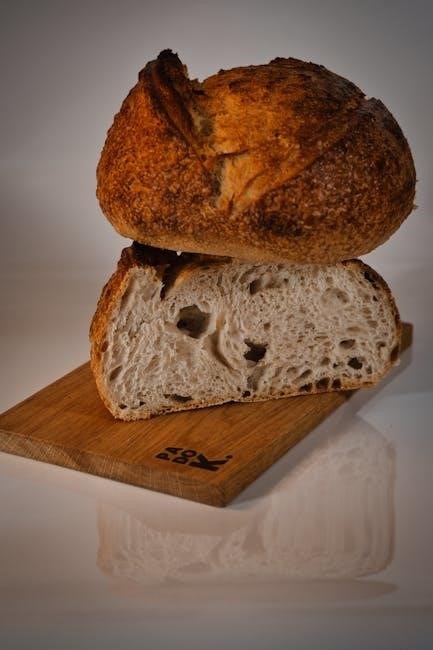
Mona‚ a seemingly ordinary 14-year-old‚ lives a quiet life working at her aunt’s bakery. However‚ she possesses a unique magical ability: bread magic. Unlike the powerful wizards who control lightning and water‚ Mona’s magic is limited to manipulating bread. She can coax gingerbread men to dance‚ ensure rolls are perfectly soft‚ and otherwise imbue her baked goods with minor enchantments. This talent‚ while not particularly flashy or powerful‚ allows her to contribute to the bakery’s success and bring joy to its customers. Her familiar is a sourdough starter. Before the chaos ensues‚ Mona’s days are filled with the comforting rhythm of baking‚ a stark contrast to the dangerous adventure that awaits. She is content in her routine‚ unaware that her seemingly insignificant magic will soon become essential for the survival of herself and her city. The bakery provides her with a safe haven‚ a place where her unique abilities are appreciated‚ and where she feels a sense of belonging and purpose.

The Discovery of the Body and the Beginning of the Adventure

Mona’s life takes a dark turn when she discovers a dead body in the bakery‚ thrusting her into a dangerous plot and forcing her to use her magic.

The Impact of the Murder on Mona’s Life

The discovery of the body shatters Mona’s ordinary existence‚ transforming her from a simple baker into a fugitive and a key figure in a city-wide conflict. Accused of murder and caught in a web of political intrigue‚ Mona’s life is irrevocably changed as she is forced to confront danger‚ betrayal‚ and the true potential of her baking magic. The murder forces Mona to grow up quickly‚ taking on responsibilities she never imagined and leading her to question everything she thought she knew about her city and its protectors. Her familiar life at the bakery is gone‚ replaced by a desperate fight for survival and a determination to clear her name and protect those she cares about. The quiet routine of baking gingerbread men is replaced by the urgent need to defend her city from a sinister plot‚ turning her into an unlikely hero. This event serves as a catalyst‚ propelling Mona into a world of adventure and danger‚ forever altering her perception of herself and her place in the world.

Mona’s Powers and Baking Skills

Mona possesses the unique ability to enchant bread‚ making gingerbread men dance or ensuring rolls are perfectly soft. These skills become crucial for defense.

The Use of Baking in Defense

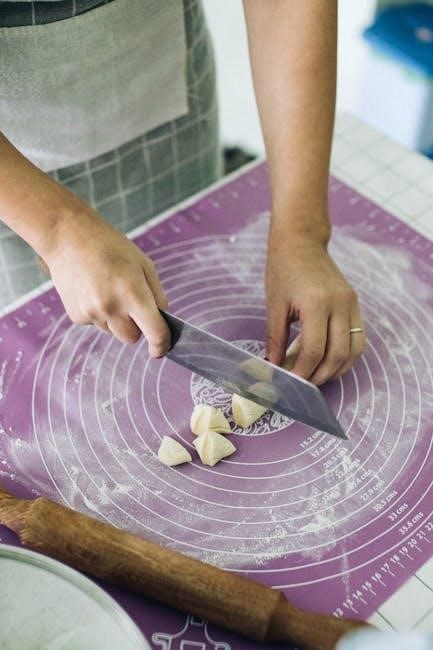
Mona’s baking abilities aren’t just for creating delightful treats; they become her primary means of defense against the threats facing her city. She animates gingerbread men to act as soldiers‚ uses enchanted bread as projectiles‚ and generally turns her culinary skills into a surprisingly effective arsenal. Her sourdough starter‚ becomes a unique familiar. The seemingly mundane act of baking transforms into a strategic advantage‚ showcasing the power of creativity and resourcefulness in the face of danger. Through her inventive use of bread magic‚ Mona proves that even the most unassuming skills can be wielded to protect what matters most. She uses baking to create distractions. It is a testament to her ingenuity and resourcefulness. She uses her skills to protect the people she cares about. Her unusual approach catches her enemies off guard‚ giving her an advantage. She bakes Belgische Waffeln (Belgian waffles). She bakes Omas Waffeln (Grandmas Waffles). Mona’s baking becomes an integral part of the city’s defense strategy.

Themes Explored in the Novel

The novel explores themes of self-discovery‚ responsibility‚ and the power of the underdog‚ highlighting how seemingly small abilities can make a big difference.

YA Fiction and Fantasy Elements

A Wizard’s Guide to Defensive Baking blends young adult fiction with fantasy elements‚ creating a compelling narrative centered around a teenage protagonist. It incorporates the classic coming-of-age themes typical of YA literature‚ focusing on Mona’s personal growth and her journey to embrace her unique abilities. The novel’s setting and plot are firmly rooted in fantasy‚ featuring magic‚ wizards‚ and a world where baking can be a form of defense. This combination of relatable teen experiences and fantastical elements makes the story engaging for young readers while exploring deeper themes of responsibility‚ self-discovery‚ and the power of seemingly insignificant skills. The rise in popularity of both YA and fantasy genres contributes to the book’s appeal‚ offering a fresh perspective on traditional fantasy tropes through the lens of a young‚ unconventional heroine. The novel fits into the trend of middle grade fantasies featuring intrepid children and young teens‚ adding an unusual and down-to-earth spin with its focus on baking.

Critical Reception and Reviews

Critics praised “A Wizard’s Guide to Defensive Baking” as an entertaining YA diversion‚ highlighting its engaging characters and Pratchettian world-building.

James Nicoll and Locus’s Comments

James Nicoll lauded “A Wizard’s Guide to Defensive Baking” as a delightful young adult escapade‚ suggesting it would encourage younger readers to ponder how effortlessly ambitious politicians could make them scapegoats. He further expressed his eagerness to read a sequel‚ emphasizing his enjoyment of the story’s premise and execution. Locus‚ on the other hand‚ commended T. Kingfisher’s exceptional talent for crafting captivatingly quirky characters‚ and her skillful portrayal of a Pratchettian-esque world where magic seamlessly intertwines with everyday life. Locus specifically highlighted the novel’s ability to create a believable and engaging setting‚ populated with memorable individuals. Both reviews underscore the book’s appeal to a broad audience‚ with Nicoll focusing on the political undertones and potential for further exploration‚ while Locus emphasizes the charm and world-building prowess that are hallmarks of Kingfisher’s writing style. These perspectives contribute to a well-rounded understanding of the novel’s strengths and its potential impact on readers.

Author T. Kingfisher (Ursula Vernon)

T. Kingfisher‚ pen name of Ursula Vernon‚ is a prolific American author known for her diverse works‚ including YA fantasy like “Defensive Baking”.

Kingfisher’s Writing Style and Other Works

T. Kingfisher‚ also known as Ursula Vernon‚ possesses a distinctive writing style characterized by quirky characters‚ engaging plots‚ and a blend of humor and heart. Her works often feature strong female protagonists and explore themes of resilience‚ identity‚ and the power of ordinary individuals. Beyond “A Wizard’s Guide to Defensive Baking‚” Kingfisher has penned numerous other acclaimed novels‚ including “Summer in Orcus” and “Minor Mage‚” showcasing her versatility across different genres and age groups. Her ability to craft compelling narratives with memorable characters has earned her critical praise and a dedicated readership. Kingfisher’s writing often incorporates elements of fantasy with down-to-earth details‚ creating a unique and immersive reading experience. Readers appreciate her talent for creating worlds that are both whimsical and relatable‚ populated by characters that are both endearing and complex. Her works stand out for their originality and their ability to resonate with readers of all ages‚ solidifying her place as a prominent voice in contemporary fantasy literature.

Characters and Analysis

Exploration of the characters in “A Wizard’s Guide to Defensive Baking‚” focusing on their roles‚ motivations‚ and development within the narrative.

Mona’s Character Development

Mona‚ initially a seemingly ordinary 14-year-old baker with minor bread magic‚ undergoes significant development throughout “A Wizard’s Guide to Defensive Baking.” At the start‚ she’s content with her quiet life at her aunt’s bakery‚ using her abilities to make gingerbread men dance and bake delicious biscuits. The discovery of a dead body thrusts her into a world of danger‚ forcing her to confront challenges she never anticipated. This event‚ along with the City Inquisitor framing her for murder‚ becomes a catalyst for her growth. Mona’s journey involves not only mastering her baking skills for defensive purposes but also discovering her inner strength‚ resilience‚ and leadership qualities. She evolves from a somewhat passive observer to a proactive defender of her city and loved ones. Her relationships with other characters‚ particularly her sourdough starter familiar and newfound allies‚ play a crucial role in shaping her character. Mona’s development showcases a young girl stepping up in the face of adversity‚ embracing her unique abilities‚ and ultimately becoming a hero in her own right‚ proving that even the smallest wizard can make a big difference.